
Large University, Medium University, or Small College?
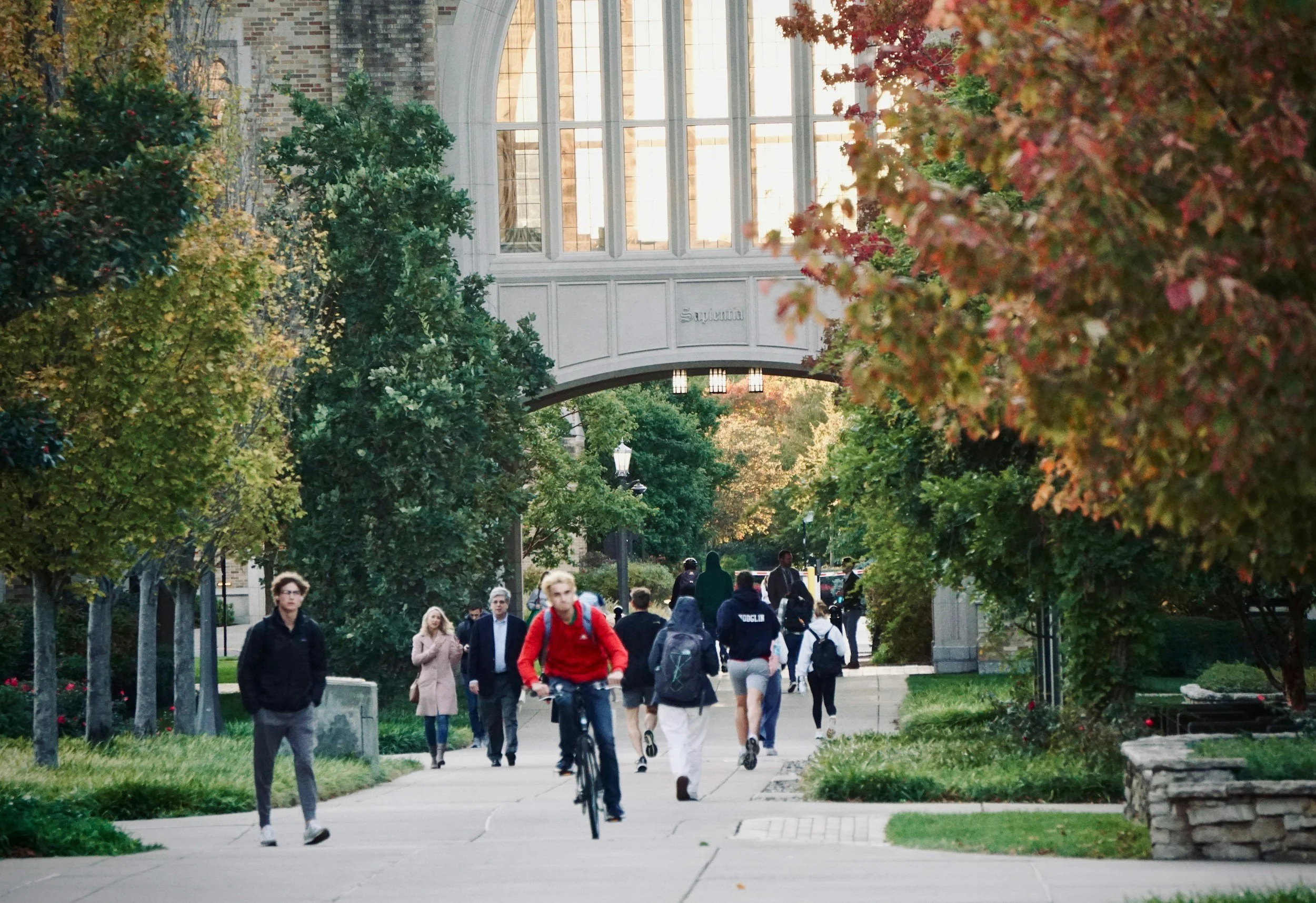
College students walking on campus exploring options
One of the most common questions families ask during the college admissions process is, “Should my student apply to a large university or a small college?”
One of the most common questions families ask during the college admissions process is:
“Should my student apply to a large university or a small college?”
It’s a great question, and one we often discuss when understanding the college admissions process because college size plays a massive role in a student’s academic experience, social life, and overall success.
The truth? There is no one-size-fits-all answer in college admissions. Each type of school, large universities, medium-sized universities, and small colleges, offers unique benefits and challenges. Understanding those differences helps families build a balanced college list and make confident decisions.
Large Universities
Big opportunities, big energy, and big independence
Large universities are often what students picture when they imagine college: packed stadiums, bustling campuses, and endless options.
Benefits for college admissions applicants:
A wide range of majors, minors, and academic programs
Extensive research opportunities and internship pipelines
Large alumni networks that support career outcomes
Why parents often like them:
Strong name recognition in college admissions
Robust facilities and student resources
Broad career placement and graduate school results
A potential downside to consider:
At large universities, students often need to advocate for themselves. Introductory classes can be large, and academic support may require initiative, something we discuss often when building a balanced college list.
Best fit for students who:
Are independent and proactive
Enjoy fast-paced, high-energy environments
Understand how students can stand out in college admissions
Medium-Sized Universities
Balance, connection, and flexibility
Medium-sized universities are often a sweet spot in college counseling, offering the best of both worlds.
Benefits for students navigating college admissions:
More personalized access to professors than at large universities
Plenty of majors, clubs, and leadership opportunities
Easier pathways to stand out academically and socially
Why parents value them:
A strong balance of independence and support
Solid advising and academic structure
Excellent outcomes for internships and post-college success
A potential downside to consider:
Some medium-sized universities may not offer the same volume of niche majors, research labs, or large-scale recruiting found at very large universities.
Best fit for students who:
Want options without feeling overwhelmed
Prefer a connected campus community
Like being known while still having variety

Get Guidance for Your College Journey
College Trek Consulting sends out tips and resources for navigating the college journey.
Small Colleges
Personalized learning and strong mentorship
Small colleges are often hidden gems in the college admissions landscape, especially for students who thrive in close-knit environments.
Benefits for students:
Small class sizes and discussion-based learning
Professors who know students well and provide mentorship
Early access to research, leadership, and internships
Why parents appreciate them in college counseling conversations:
Strong advising and academic oversight
High graduation and retention rates
Excellent preparation for graduate school and professional programs
A potential downside to consider:
Small colleges may offer fewer majors, fewer course sections, or less traditional “big school” social life, such as large athletic events.
Best fit for students who:
Thrive with personalized attention
Prefer collaboration over competition
Want to feel seen, supported, and challenged
How College Counseling Helps Families Decide
In college admissions, the goal isn’t to choose the “best” college; it’s to select the best environment for the student.
A well-balanced college list often includes:
A mix of large universities, medium-sized schools, and small colleges
Schools where students can access support
Campuses where students can get involved early and grow confidently
This is where experienced college counseling makes a difference by helping families look beyond rankings and focus on fit, outcomes, and student success.
College size matters, but the right fit matters more. With thoughtful planning and understanding the college process, students can find a college where they will thrive academically, socially, and personally.
Gail Nichols, Independent College Consultant for over 12 years. Helping students to find their college is my passion.

Work With Us
College Trek Consulting offers programs for families navigating the college process. Get in touch to discuss your plan.